Sleeping in Floating Hotels That Redefine Travel Experiences
By Admin
Published on 2024-12-31 00:00:00
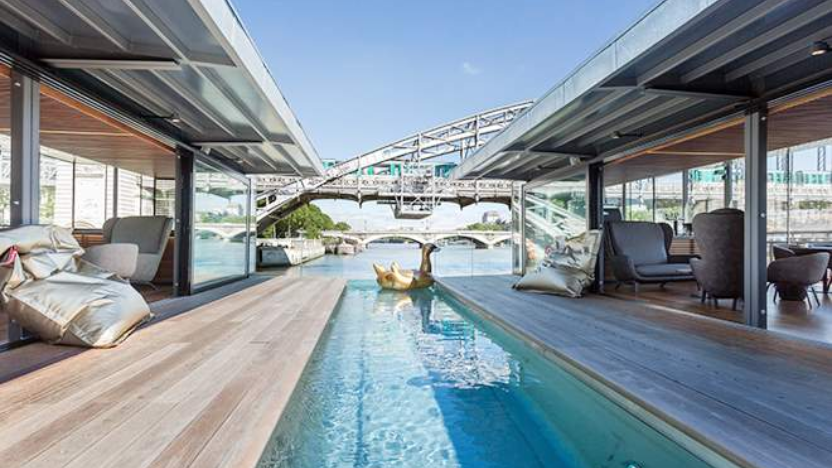
Why stay on land when you can sleep above the waves? From overwater bungalows in Bora Bora to floating eco-resorts in Sweden, discover accommodations that bring you closer to nature without compromising on luxury.
Imagine waking up to the gentle sway of water beneath you, the sun rising over a shimmering sea, and the sound of waves lapping against your private deck. Staying at a floating hotel is an adventure that immerses you in nature and offers unparalleled serenity.
From the crystal-clear waters of Bora Bora to innovative eco-friendly lodges in Sweden, floating hotels are transforming how we travel. These unique stays blend luxury with sustainability, providing an experience that feels both indulgent and harmonious with the environment.
This guide takes you through the world’s most breathtaking floating resorts, tips for planning your stay, and why these hotels are redefining travel.
What Makes Floating Hotels So Unique?
The Experience of Living on Water
A floating hotel room offers a sense of tranquility that traditional hotels can’t replicate. Being surrounded by water creates a feeling of escape, where the stresses of everyday life melt away.
Sustainability
Many floating hotels are designed with sustainability in mind, using renewable energy, eco-friendly materials, and systems to minimize their impact on the environment.
Breathtaking Views and Privacy
Whether nestled in a lagoon or anchored offshore, these hotels offer panoramic views and a level of privacy ideal for romantic getaways or solo retreats.
The Best Floating Hotels Around the World
Four Seasons Resort Bora Bora, French Polynesia

-
Why It Stands Out: One of the most iconic Bora Bora hotels on water, this resort features overwater bungalows with glass floors that let you watch marine life from your room.
-
Cost: Rates start at $1,500 per night.
-
Activities: Snorkeling, sunset cruises, and spa treatments with a view of Mount Otemanu.
Conrad Maldives Rangali Island, Maldives

-
Why It Stands Out: Home to The Muraka, the world’s first underwater hotel suite, this floating resort offers both overwater luxury and underwater innovation.
-
Cost: Starting at $2,000 per night for overwater villas.
-
Activities: Diving with manta rays, underwater dining, and private yacht charters.
Guntu, Japan

-
Why It Stands Out: This sleek, minimalist floating hotel drifts along Japan’s Seto Inland Sea, offering a tranquil escape with Japanese hospitality.
-
Cost: Rates begin at $3,500 per night (all-inclusive).
-
Activities: Onsen baths, kaiseki meals, and visits to coastal art islands.
The Floating Seahorse Villas, Dubai

-
Why It Stands Out: These luxurious villas feature underwater bedrooms surrounded by coral reefs, making them a standout floating hotel room experience.
-
Cost: Around $5,000 per night.
-
Activities: Water sports, yacht tours, and reef snorkeling.
Arctic Bath Hotel, Sweden

-
Why It Stands Out: A circular floating hotel anchored on the Lule River, this eco-resort offers a one-of-a-kind Arctic retreat.
-
Cost: Starting at $1,000 per night.
-
Activities: Ice bathing, Northern Lights viewing, and Swedish saunas.
The Ocean Flower, Bahamas

-
Why It Stands Out: A standout among Bahamas floating hotels, The Ocean Flower combines contemporary design with breathtaking Caribbean views.
-
Cost: Approximately $800 per night.
-
Activities: Snorkeling, kayaking, and private beach access.
Why Bora Bora Is the Dream Destination for Floating Hotels
Crystal-Clear Waters
Bora Bora’s lagoon is famous for its vibrant turquoise waters, making it a top choice for Bora Bora resorts.
Iconic Overwater Bungalows
The concept of the floating hotel room was pioneered here, setting the standard for luxury accommodations on water.
Rich Marine Life
Stay in a floating resort and watch stingrays, sharks, and colorful fish right beneath your room.
Activities to Enhance Your Floating Hotel Experience
Snorkeling and Diving
Snorkeling and diving are staples of many floating hotels, where vibrant marine ecosystems thrive just below your room. Swim alongside schools of tropical fish, explore colourful coral reefs, or venture into underwater caves teeming with life.
Sunset Cruises
A sunset cruise is the perfect way to experience the tranquillity of floating hotels. As the sky transforms into a fiery canvas, glide across calm waters with a glass of champagne in hand. Some cruises include stops at hidden coves or offer a chance to watch pods of dolphins playfully leaping nearby.
Dining on Water
Dining at a floating hotel is as unique as the accommodations themselves. Indulge in gourmet meals on private decks as the ocean breeze enhances every bite. Some resorts take it further with floating restaurants, where the gentle rocking of the water pairs perfectly with a menu inspired by fresh, local ingredients.
Wellness Retreats
Floating hotels provide the perfect backdrop for relaxation and rejuvenation. Spa treatments on open-air decks let you unwind as the sounds of the water wash over you. Sunrise yoga sessions or guided meditations offer a tranquil start to your day, leaving you refreshed and ready to explore.
How Much Does a Floating Hotel Cost?
The cost of staying at a floating hotel varies widely depending on the location, luxury level, and inclusions.
-
Budget-Friendly Options: Starting at $150 per night (e.g., eco-resorts in Southeast Asia).
-
Mid-Range Options: Between $500 and $1,000 per night (e.g., Arctic Bath Hotel in Sweden).
-
High-End Options: $2,000 to $5,000 per night (e.g., Four Seasons Bora Bora or Floating Seahorse Villas in Dubai).
Additional costs may include activities, dining, and transportation, so it’s essential to budget accordingly.
Packing Essentials for a Floating Hotel Stay
-
Light Clothing: For tropical destinations, pack breathable fabrics. For Arctic locations, prioritize warm, layered clothing.
-
Waterproof Bag: Protect your belongings during boat transfers or water activities.
-
Camera: Capture stunning views and underwater life with a high-quality camera or GoPro.
-
Snorkeling Gear: Some floating hotels provide equipment, but having your own ensures the perfect fit.
Sustainability and Floating Hotels
Many floating hotels are designed with the environment in mind, using renewable energy sources and eco-friendly construction materials. Here’s how they’re making a difference:
-
Solar Panels and Wind Energy: To reduce reliance on fossil fuels.
-
Waste Management Systems: Ensuring minimal impact on marine ecosystems.
-
Coral Reef Restoration: Some resorts actively contribute to preserving marine biodiversity.
Tips for Booking Your Floating Hotel Stay
-
Research the Location: Ensure the destination aligns with your preferences—whether it’s tropical waters or Arctic wilderness.
-
Check Amenities: Look for features like private pools, dining options, and included activities.
-
Read Reviews: Customer feedback can provide valuable insights into the experience.
-
Plan for Transfers: Many floating resorts require boat or seaplane transfers, which may come at an additional cost.
A stay at a floating hotel is an experience that connects you with nature, redefines luxury, and creates memories that last a lifetime. Whether you’re drawn to the turquoise lagoons of Bora Bora, the serene Arctic rivers of Sweden, or the vibrant reefs of the Bahamas, these unique accommodations offer something for every traveler.So why stay on land when you can float on water? Start planning your escape to one of the world’s most incredible floating resorts today.
Follow Bytecrunchy for more travel inspiration, destination guides, and unique experiences.
Unpack Adventure with Near Zero’s Game-Changing Travel Backpacks
By Admin
Published on 2024-12-26 00:00:00
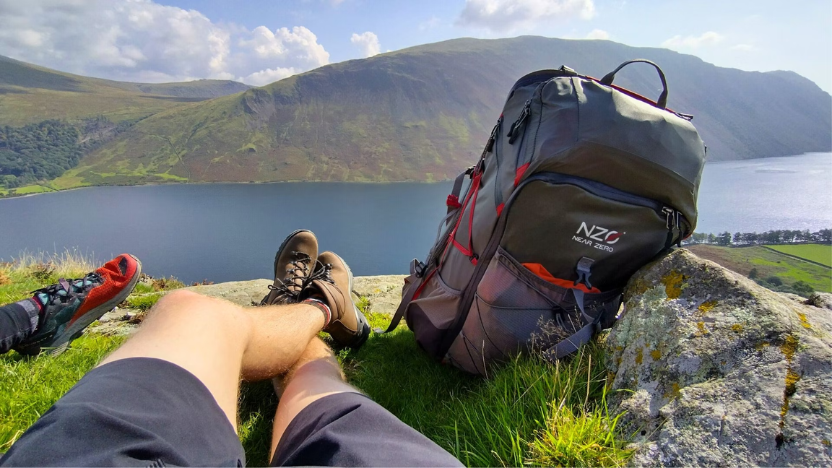
Lightweight, durable, and designed for adventure—discover Near Zero’s premium travel backpacks for your next journey.
Related
Road Tripping with Ease With Rent Campervans and Motorhomes from Camplify
Unbeatable Holiday Deals in Cyprus Under £400 with Travel Republic
Discover the UK's Best Hidden Treasures for an Unforgettable 2025 Adventure
Everything You Need To Know About Cappadocia's Hot Air Balloon Rides