How Zero-Waste Living is Reshaping Modern Homes
By Admin
Published on 2025-01-14 00:00:00

Say goodbye to wasteful living! Find out how homeowners are embracing zero-waste lifestyles with simple changes and cutting-edge tools that make eco-friendly living a breeze.
Zero-waste living has transformed from an eco-conscious trend into a lifestyle that’s reshaping how people live in their homes. With climate change, overflowing landfills, and rising consumer awareness, many are turning to zero-waste principles to create homes that are kinder to the planet and their wallets.
But what does a zero-waste home really look like? It’s not about perfection but about making intentional choices to reduce waste, reuse what you have, and recycle effectively. From smart composting systems to everyday zero-waste home products, this lifestyle is about progress, not unattainable goals. Let’s dive into the tools, tips, and changes that are making homes more sustainable while simplifying life.
Why Zero-Waste Living is the Future
It’s no secret that our planet is struggling under the weight of overconsumption and waste. The average person produces nearly five pounds of waste per day, and most of it ends up in landfills or oceans, causing long-term environmental damage.
A zero-waste home offers a solution: it minimizes waste by focusing on reducing, reusing, and recycling. But beyond helping the environment, zero-waste living saves money, reduces clutter, and encourages healthier habits. Imagine a home where every item has a purpose, and nothing is wasted, it’s not just sustainable; it’s smart.
The Five Pillars of Zero-Waste Living
If you’re wondering how to reduce waste effectively, zero-waste experts recommend following these five principles:
-
Refuse: Say no to single-use plastics and unnecessary items.
-
Reduce: Simplify your life by owning fewer but better-quality products.
-
Reuse: Embrace reusable items like cloth bags, glass jars, and refillable containers.
-
Recycle: Properly sort and recycle what can’t be reused.
-
Rot: Compost organic waste to create nutrient-rich soil.
These principles guide every decision in a zero-waste home, from how groceries are purchased to how food scraps are managed.
Zero-Waste Home Products That Make a Big Difference
One of the easiest ways to transition to a zero-waste lifestyle is by swapping disposable items for zero-waste home products. Here are some must-haves:
Reusable Food Storage
Instead of plastic wrap or sandwich bags, invest in:
-
Beeswax wraps: A biodegradable alternative that keeps food fresh.
-
Silicone food bags: Durable, washable, and perfect for leftovers.
-
Glass storage containers: Ideal for meal prepping and storing ingredients.
Sustainable Cleaning Products
Ditch single-use plastic bottles for:
-
Refillable cleaning sprays: Brands like Blueland offer tablets you dissolve in water.
-
Compostable sponges: Made from natural fibers that break down over time.
-
DIY cleaning solutions: Simple mixes of vinegar, baking soda, and essential oils work wonders.
Composting Systems
Composting is a cornerstone of zero-waste living. Options range from simple backyard compost bins to advanced indoor systems like Lomi, which breaks down food scraps in hours.
Water Filtration
Replace bottled water with reusable bottles and home filtration systems like Brita or Pur, reducing plastic waste while saving money.
By integrating these zero-waste home products into your daily routine, you’ll quickly see how small changes add up to significant results.
How Do I Reduce My Waste at Home? Practical Tips
Adopting a zero-waste lifestyle doesn’t mean overhauling your life overnight. Start small with these actionable tips:
Audit Your Waste
Take a week to observe what you throw away. Are there common items like paper towels, packaging, or takeout containers that could be swapped for reusable alternatives?
Shop Smart
-
Buy in bulk to reduce packaging waste.
-
Choose products with minimal or recyclable packaging.
-
Bring your own bags, jars, and containers to the store.
Cook More, Waste Less
Cooking at home reduces reliance on takeout packaging. Use up leftovers creatively (hello, stir-fries and soups!) and freeze extra portions to avoid spoilage.
Say No to Fast Fashion
Clothing production generates massive waste. Shop secondhand, repair damaged items, and invest in high-quality staples that last.
Use Digital Solutions
Instead of paper bills, receipts, and notes, opt for digital alternatives. Apps like Evernote or Google Keep can help you stay organized without cluttering your home with paper.
Real-Life Solutions for Waste
The best part of zero-waste living is seeing how real people make it work in their homes. Here are some inspiring examples:
Sarah’s Urban Apartment
Living in a city didn’t stop Sarah from embracing zero-waste principles. She installed a countertop composting system, swapped paper towels for washable cloths, and started refilling household products at a local zero-waste shop.
The Johnson Family Suburban Home
The Johnsons created a "low-waste" kitchen by shopping in bulk, using beeswax wraps for school lunches, and composting food scraps in their backyard bin. Their energy bills dropped after switching to solar-powered outdoor lighting.
Mark’s Minimalist Studio
Mark adopted zero-waste living in his small studio by focusing on essentials. He uses a refillable water bottle, packs meals in reusable containers, and shops secondhand for furniture and clothes.
These stories show that no matter your living situation, there are practical solutions for creating a zero-waste home.
Why We Should Process Personal Waste at Home
Processing personal waste, whether it’s food scraps, yard waste, or recyclables has enormous benefits. Here’s why it matters:
-
Reduces Environmental Impact: Composting and recycling keep waste out of landfills, cutting greenhouse gas emissions.
-
Saves Money: Composting reduces the need for store-bought fertilizers, while recycling can lower garbage collection costs.
-
Improves Soil Health: Home composting creates nutrient-rich soil perfect for gardening.
When you process at home, you take direct action to minimize your footprint while reaping tangible benefits.
The Future of Zero-Waste Living
As more people adopt zero-waste lifestyles, innovation is stepping in to make the process even easier. Here are some exciting developments:
Smart Waste Management Tools
-
Lomi Composters: Break down food waste into soil within hours using smart technology.
-
AI-Powered Sorting Systems: Devices that automatically sort recyclables, making waste management effortless.
Community Zero-Waste Programs
Neighborhood initiatives like tool libraries, bulk-buying co-ops, and shared composting systems are helping communities embrace zero-waste living together.
Packaging-Free Shopping
More brands and stores are embracing the zero-waste trend by offering refill stations for household products, eliminating single-use plastics altogether.
The future is bright for those looking to reduce their waste, technology and community-driven efforts are making it more accessible than ever.
Living in a zero-waste home is all about making small, meaningful changes that reduce waste and improve your quality of life. Whether you start with reusable products, embrace composting, or shop smarter, every step counts toward creating a more sustainable future. With innovative tools, inspiring solutions, and a growing movement, it’s easier than ever to embrace zero-waste living.
For more tips and insights on eco-friendly living and home innovation, follow Bytecrunchy and stay inspired to create a better future.
Learn How Alias Microphone Deserves a Spot in Your Gaming Setup
By Admin
Published on 2024-12-03 00:00:00

Gaming accessories have become essential for gamers to achieve better performance and enjoyment. Among these, a high-quality microphone is crucial for clear communication and immersive streaming. The SteelSeries Alias USB-C Condenser Microphone offers better sound clarity with advanced features. Here you can learn why this microphone deserves a spot in your gaming setup.
Related
These Secure Web Hosting Plans by Ultahost are Best for Managed and Self-Managed Hosting

Top Reasons to Choose Squarespace for Your Online Store

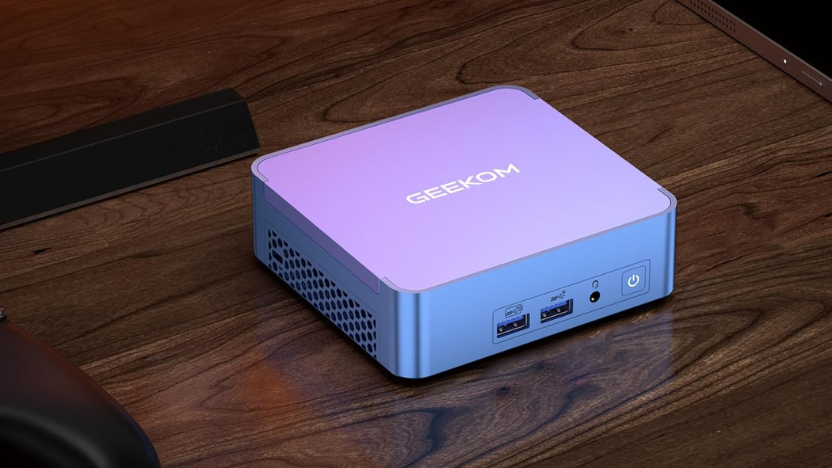
These Geekom's Mini PCs Provide an Unbeatable High Performance and Low Cost
Unlock the Power of Squarespace Marketing Tools for Your Brand